 English
 Русский
 Español
 Português
 Deutsch
 Français
 Indonesia
 Tiếng Việt
 中文
 العربية
 اردو
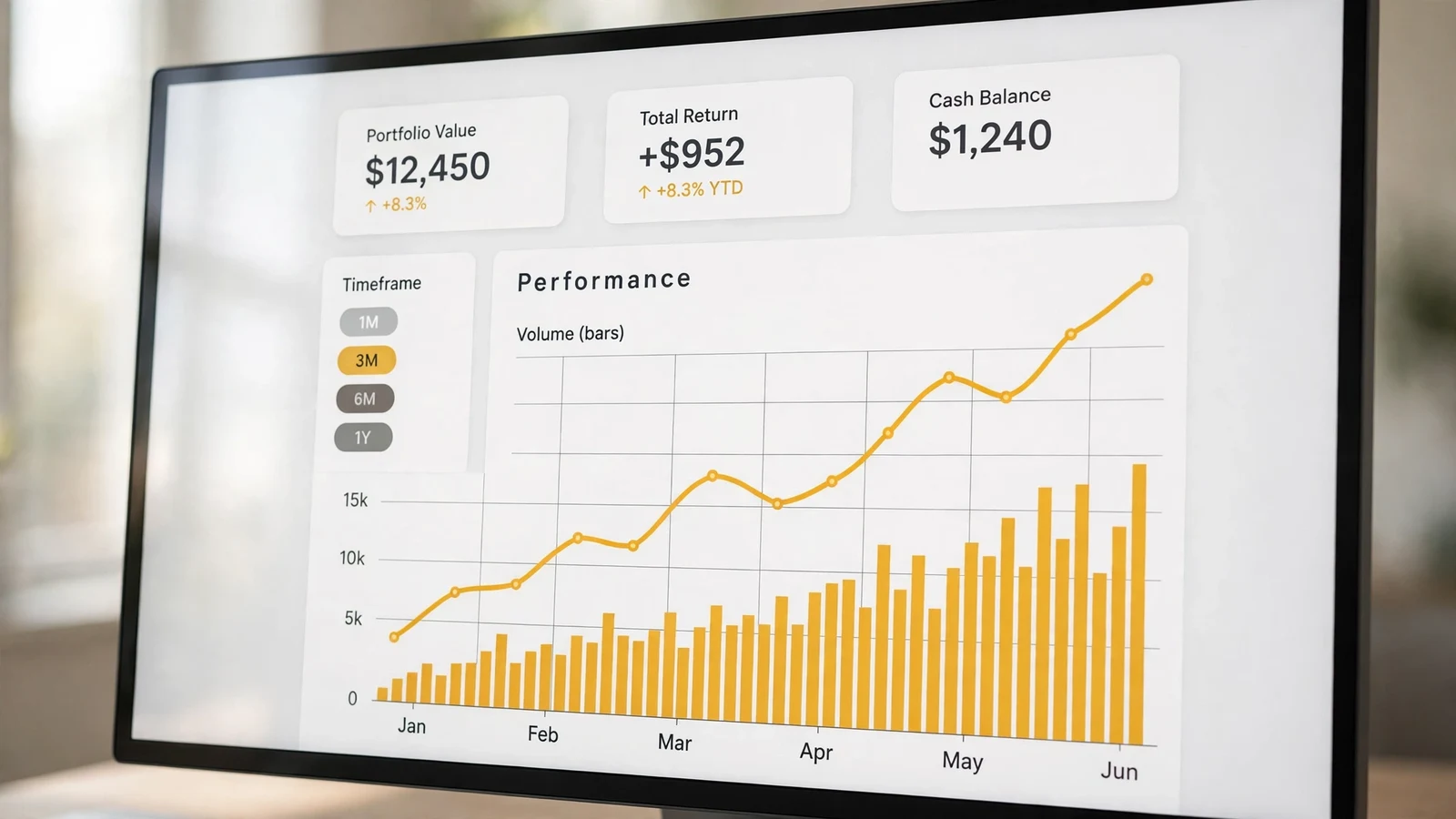
A hyip investment website template is the design layer of an investment website: homepage, plan cards, member dashboard, and the deposit and withdrawal screens that sit on top of the script. The script does the work. The template is what a visitor judges first, and what a member lives with every day after signing up.
Most buyers judge a template by its homepage. That is the wrong test — a homepage is a poster. The design earns its money on the plan cards and the member pages, where a visitor decides whether to trust the site with a deposit.
The homepage has ten seconds to answer three questions
A first-time visitor gives a new site about ten seconds. In that time the homepage has to answer three questions, in plain sight: what is this site, what does it pay, and how do I start.
What it is should take one line — an investment website that hides behind vague words about wealth looks like every other site on the internet. Say what members do here: deposit, earn on a plan, withdraw. What it pays should be visible without scrolling past three screens of stock photos, and starting should take one obvious button, not a hunt through the menu.
Below the hero, a good homepage keeps working: a plans preview, a short how-it-works strip, and a FAQ that answers the first doubts. A hero with nothing real under it is decoration. Our guide to the best investment website template shows how to judge a homepage against the pages behind it.
Plan cards are the sales page
The plan card is where the sale actually happens, so it is the part of the design that deserves the most attention. A visitor reads a card, compares it with the next card, and decides. Everything that matters has to be on the card itself: the daily rate, the term, the minimum and maximum deposit, the referral commission, and one clear button.
The numbers on the card must match the admin panel. Plans are set by the site owner in the admin panel and the template only displays them — a good design never hardcodes rates into the page. A card that shows one rate and pays another is not a design flaw, it is a broken site, and members find out within a day.
Read the cards the way a member would: can you tell the plans apart in five seconds, and do they still read cleanly on a phone? If not, the template fails at the one job that matters. Our guide to buying just the template lists the five checks we use before paying for any design.
The member pages decide whether anyone stays
A visitor becomes a member on signup and then lives on four pages: dashboard, deposit, withdrawal, history. Most templates treat these as an afterthought — and they decide whether a member deposits twice.
The dashboard has to answer one question — where does my money stand — on one screen: balance, active deposits, earnings so far, referral stats. If the member opens three pages to find a balance, the design has failed.
Deposit and withdrawal should both be short, honest flows: methods listed clearly, minimums shown before the form, and a clear status once the request is in. On our own sites a waiting withdrawal reads "In Process", because that is what it is: in process, not lost.
History has to be complete: every deposit, withdrawal, and earning with a date and a status — it is the page members open when they are worried. And the numbers must agree everywhere: dashboard balance, plan earnings, and history totals that disagree by even a small amount cost more trust than any homepage can buy back.
The full list of what these pages should carry is in our piece on what features a template should have, and the setup order is in how to launch an investment website.

Speed, phones, and the small pages
The first member will almost certainly arrive on a phone. Open every page at phone width before you buy: no sideways scrolling, buttons big enough to tap, plan cards that stack instead of squeezing. A design that only works on a desktop serves an audience that does not exist any more.
Speed matters for the same reason: a template that loads slowly loses the visitor before the plan cards appear. Heavy images and effects that delay the first paint all cost visitors.
Then check the small pages nobody screenshots for the gallery: login, signup, FAQ, contact, terms, and password reset. They have to work and look like they belong to the same site — a password reset that fails on day one becomes a support ticket on day one.
What to check before you buy
Judge every hyip investment website template against the same short list, and compare two or three side by side on it. The best homepage often loses once you look past it.
- Open the full screenshot gallery. Every page, not just the homepage: dashboard, deposit, withdrawal, history, login, signup, FAQ. A template with a thin gallery is hiding something.
- Read the member pages at phone width. Dashboard, deposit, withdrawal — if they are cramped or broken on a phone, walk away.
- Check the plan cards carry everything. Rate, term, minimum, maximum, referral commission, and one button. Anything missing means the member has to guess.
- Confirm the design is only design. The script’s forms, fields, and logic stay exactly as the provider shipped them — a template that rewrites how the script works breaks on the next update.
- Ask what support covers after purchase. Installation help and design changes are different things.
- Compare on the member pages, not the hero. Two templates with similar homepages can be very different sites once you log in — pick the one whose member pages you would trust with your own money.
Our guide to choosing a template walks through the same decision from the buyer’s side, and what a GoldCoders template is explains the split between the script and the design if it is new to you. If you are torn between a ready template and building from scratch, our comparison of a template versus a custom-built site lays out the trade-offs.
What a template costs — and what it does not include
Real prices from our shop and services pages, checked before publishing:
| Piece | What you pay | Notes |
|---|---|---|
| Investment website template | $59 | List price $75 |
| Script installation | $15 / $25 | Standard install, or a setup that needs extra work |
| Plans setup | $10 / $20 / $35 | By the number of plans and the detail they carry |
| Payment gateway integration | $20 | One gateway, connected and tested |
| Template customisation | $15 / $25 | Small colour, text, and layout changes |
| Domain and hosting setup | $20 / $50 / $100 | Setup only; domain and hosting are provider-priced |
| Complete website, done for you | $200 / $500 / $1,000 | Script, template, setup, and launch checks |
The template is design only: no script licence, which is priced by the script provider, and no domain or hosting — the $20, $50, and $100 above pay for the setup work only. The cheapest honest start is the template at $59 plus a standard install at $15, on hosting you already have. Running costs after launch day are covered in our cost breakdown. The complete website packages start at $200 — see our services or browse the shop.
Frequently asked questions
Does a hyip investment website template include the script?
No. The template is only the design — the pages members see. The script is the engine underneath: member accounts, plans, deposits, withdrawals, and the admin panel. You need both; the script licence is priced separately by its provider. Buy the script first, then the template built for it.
Can I change the colours and text after buying?
Yes. Small colour, text, and layout changes are our $15 or $25 customisation service. If you can edit design files yourself, change them directly — the template is yours once bought. What you should not change is the script’s functional code: forms, field names, and logic stay as the provider shipped them.
Will the template work on a phone?
It should, if it is built responsive — but do not take that on faith. Open the template’s full screenshot gallery on your own phone before buying and look at the dashboard, deposit, and withdrawal pages, not just the homepage. Those are the pages where a bad phone layout costs you deposits.
How do I know a template is good before I buy it?
Judge it on the pages members use, not the poster. Open the full gallery, read the plan cards for rate, term, minimum, maximum, and referral, then check the dashboard, deposit, and withdrawal screens at phone width. A template strong on those pages and honest about its price — $59 on our shop, list $75 — is worth buying.